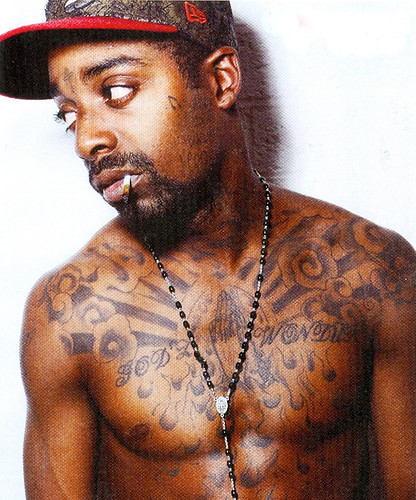
Jerrely Slijger, widely recognized by his stage name Rapper Kempi, has carved out a significant presence in the Dutch music scene. Known for his distinctive flow and impactful lyrics, Kempi's career has unfortunately been frequently overshadowed by a series of legal controversies. Central to many of these legal battles are allegations of violence and threats against his partners. The recurring nature of these incidents paints a concerning picture, raising questions not only about the rapper's personal conduct but also about the broader implications of domestic violence within society. This article delves into Kempi's documented history of legal troubles, with a particular focus on the allegations of violence against his girlfriends and ex-partners, a theme often encapsulated by the search term "Rapper Kempi vriendin."
A Troubled Past: Early Allegations and Public Incidents
Kempi's entanglement with the law is not a recent development. Records indicate a "criminal past" that, even prior to more widely publicized events, included references to "loverboy practices" and physical violence against women. While the specifics of these early incidents are not always detailed in public reports, their mention within legal contexts highlights a long-standing pattern of alleged aggressive behavior. This history forms a crucial backdrop to understanding the subsequent, more explicit accusations.
One of the more public and widely reported incidents that brought Kempi's legal woes into sharp focus involved his arrest in Helmond. During this event, Jerrely Slijger was apprehended by police in the Molenstraat. Reports, corroborated by a widely circulated video on YouTube, indicated that Kempi was seen with a pistol and was threatening his ex-girlfriend. This dramatic public arrest, involving a weapon and a direct threat to a former partner, underscored the serious nature of the allegations. It added a new, troubling chapter to an already existing criminal record and solidified public perception of a rapper consistently battling personal demons and legal repercussions.
Such incidents not only bring immediate legal consequences but also spark vital conversations about accountability, especially for public figures. The visibility of Kempi's arrests, often captured on video and shared online, serves as a stark reminder of the realities faced by victims of domestic abuse and the public's role in reporting such behavior.
Escalating Tensions: Threats and Alleged Assaults Against Partners
The pattern of alleged violence continued to emerge in various forms, often involving "Rapper Kempi's girlfriend" or former partners. Another significant incident saw Kempi arrested again in his hometown of Helmond, this time on suspicion of assault and threats. This particular arrest followed multiple urgent calls to the police. Witnesses reported seeing a woman, audibly screaming for help, hanging from a window. The gravity of such a scene immediately prompted law enforcement action.
Upon arrival, the police made an arrest, and like previous incidents, footage of the apprehension found its way online, further amplifying the public's awareness. According to reports from Omroep Brabant, the victim subsequently filed a complaint against her ex-boyfriend for both assault and threats. While the police confirmed the arrest of a 31-year-old man, they refrained from explicitly confirming it was Kempi, following standard protocol. However, the details of the incident aligned closely with his ongoing legal struggles, pointing to a disturbing trend of alleged aggression in his personal relationships.
These incidents highlight the severe physical and emotional dangers faced by individuals in abusive relationships. The desperation of a woman screaming for help from a window is a chilling indicator of the extreme fear and peril she might have been experiencing. It underscores the vital role of community vigilance and prompt reporting in intervening in potentially life-threatening situations. For more details on these turbulent events, you can read more in our related article: Kempi Arrested: Threats, Assault, and the Rapper's Turbulent Relationships.
Recognizing the Signs and Offering Support
The circumstances surrounding these allegations against Kempi bring into sharp focus the broader issue of domestic violence. Recognizing the signs of an abusive relationship is the first step towards intervention. These signs can include:
- Physical Injuries: Unexplained bruises, cuts, or other injuries.
- Emotional Distress: Depression, anxiety, fear, or a noticeable change in personality.
- Isolation: Being cut off from friends, family, or support networks.
- Controlling Behavior: A partner dictating clothing, finances, or social interactions.
- Threats: Verbal threats of harm to the victim, their children, or pets.
If you or someone you know is experiencing domestic violence, please remember that help is available. Resources such as national domestic violence hotlines, local women's shelters, and support groups offer confidential assistance, safe housing, and counseling. Reaching out can be the most critical step towards safety and recovery.
The Courtroom Drama: Legal Consequences and Public Demeanor
The repeated allegations inevitably led Kempi into various courtrooms, where his legal troubles unfolded in public view. One particular instance involved a court hearing stemming from a suspicion of assaulting his girlfriend in September. Following his arrest for this alleged incident, Kempi spent ten days in pre-trial detention before being released to await his trial. This period of incarceration underscores the seriousness with which such allegations are treated by the justice system.
During the trial, Kempi's courtroom demeanor itself became a point of discussion. Reports noted that the Eindhoven rapper was temporarily removed from the courtroom by order of the judge to "cool off." This unusual measure was taken after he repeatedly interrupted the public prosecutor, demonstrating a challenging attitude within a formal legal setting. Such behavior can reflect various underlying emotions, from frustration to defiance, but it often hinders the smooth progression of legal proceedings and can impact how a defendant is perceived.
In this particular case, the Public Prosecution Service (OM) sought a significant sentence, demanding four months of unconditional imprisonment. However, the court's final ruling was less severe. Jerrely Slijger, then 31 years old, was sentenced to two months in prison, with fifty days of that sentence being conditional. Crucially, factoring in the days he had already spent in pre-trial detention, Kempi did not have to return to prison. This outcome, while still a conviction, meant immediate freedom for the rapper, highlighting the nuances of legal judgments and the credit given for time served. For a deeper dive into the specific legal outcomes, refer to our article: Kempi's Sentence: The Verdict on Rapper's Girlfriend Assault Charges.
Beyond the Headlines: Understanding the Cycle of Violence
The incidents surrounding Rapper Kempi's legal entanglements, particularly those involving his partners, serve as a stark reminder of the complexities of domestic violence. This isn't merely about legal charges against a public figure; it's about the profound impact on individuals and the societal challenge of breaking cycles of abuse. Domestic violence rarely occurs in isolation; it often follows a pattern, sometimes escalating over time, as seems to be suggested by Kempi's long-standing "criminal past" involving violence against women.
The term "Rapper Kempi vriendin" often surfaces in searches related to these incidents, pointing to public concern and curiosity about the women involved and the nature of their relationships with the artist. It's crucial to remember the immense courage required for victims to come forward, whether it's screaming for help from a window or filing an official police report. Their stories, even when relayed through media reports, represent a fraction of the full picture of the pain and trauma experienced.
For those observing from the outside, whether as fans, acquaintances, or concerned citizens, it's important to differentiate between supporting an artist's craft and condoning alleged harmful behavior. Holding individuals accountable for their actions, regardless of their celebrity status, is fundamental to fostering a society where domestic violence is not tolerated. This includes not only legal repercussions but also societal pressure for individuals to seek help for underlying issues that may contribute to violent tendencies.
Pathways to Change and Accountability
- Seeking Professional Help: Individuals who struggle with anger management, control issues, or violent impulses can benefit significantly from therapy, counseling, or rehabilitation programs.
- Legal Consequences: The justice system plays a vital role in providing protection for victims and accountability for perpetrators, as seen in Kempi's court cases.
- Public Awareness and Education: Continuing to discuss domestic violence openly helps destigmatize the issue for victims and educates the public on how to respond and intervene safely.
- Support Systems: Fostering strong community support networks for both victims and individuals seeking to change their abusive patterns is essential for long-term solutions.
Conclusion
Rapper Kempi's journey, both as a musician and as a public figure entangled in legal woes, underscores a complex narrative. His career, while marked by musical success, has been consistently shadowed by serious allegations of violence against his partners. From early mentions of a criminal past involving physical abuse against women to dramatic arrests for threatening an ex-girlfriend with a pistol and charges of assault following a woman's desperate cries for help, the pattern of "Rapper Kempi vriendin" related incidents is undeniable. While the legal system has delivered verdicts and sentences, these events serve as powerful reminders of the enduring challenge of domestic violence in society. They prompt essential conversations about accountability, the impact on victims, and the critical need for support systems and pathways to change for individuals struggling with violent behavior. Ultimately, the hope remains for a future where such patterns are broken, and safety and respect prevail in all relationships.